商户管理平台
收藏资源简介:
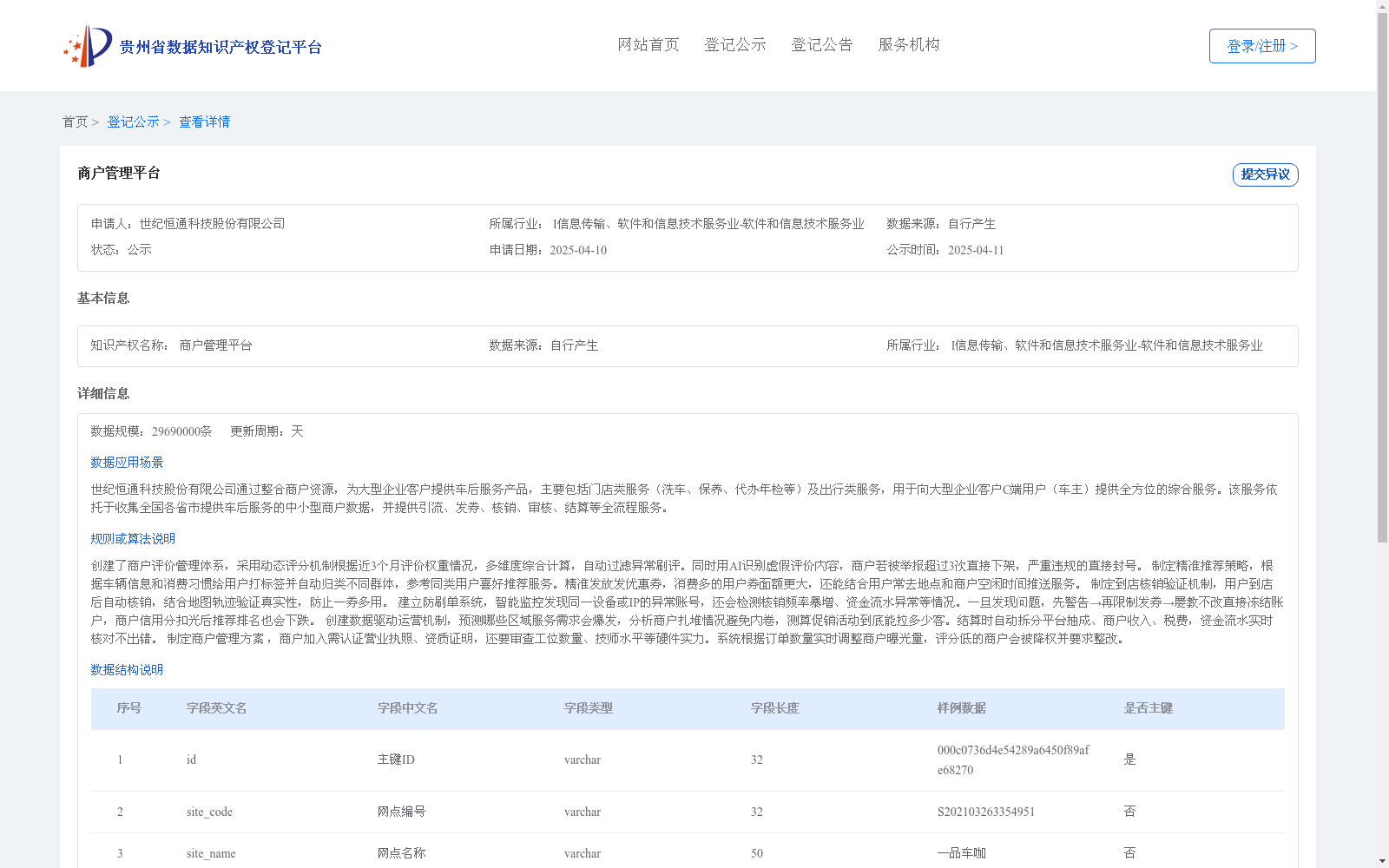
创建了商户评价管理体系,采用动态评分机制根据近3个月评价权重情况,多维度综合计算,自动过滤异常刷评。同时用AI识别虚假评价内容,商户若被举报超过3次直接下架,严重违规的直接封号。 制定精准推荐策略,根据车辆信息和消费习惯给用户打标签并自动归类不同群体,参考同类用户喜好推荐服务。精准发放发优惠券,消费多的用户券面额更大,还能结合用户常去地点和商户空闲时间推送服务。 制定到店核销验证机制,用户到店后自动核销,结合地图轨迹验证真实性,防止一券多用。 建立防刷单系统,智能监控发现同一设备或IP的异常账号,还会检测核销频率暴增、资金流水异常等情况。一旦发现问题,先警告→再限制发券→屡教不改直接冻结账户,商户信用分扣光后推荐排名也会下跌。 创建数据驱动运营机制,预测哪些区域服务需求会爆发,分析商户扎堆情况避免内卷,测算促销活动到底能拉多少客。结算时自动拆分平台抽成、商户收入、税费,资金流水实时核对不出错。 制定商户管理方案 ,商户加入需认证营业执照、资质证明,还要审查工位数量、技师水平等硬件实力。系统根据订单数量实时调整商户曝光量,评分低的商户会被降权并要求整改。
A merchant review management system was established, adopting a dynamic scoring mechanism that comprehensively calculates scores across multiple dimensions based on review weight conditions over the past 3 months, and automatically filters out abnormal review brushing. Meanwhile, AI is used to identify false review content; merchants that receive more than 3 reports will be directly removed from the platform, and those with serious violations will have their accounts banned directly. A precise recommendation strategy was formulated: users are tagged based on vehicle information and consumption habits, automatically classified into different groups, and services are recommended by referring to the preferences of similar users. Coupons are distributed accurately: users with higher consumption amounts receive larger coupon denominations, and services can be pushed by combining users' frequently visited locations and the available time of merchants. An in-store redemption verification mechanism was established: users can redeem automatically upon arriving at the store, and their authenticity is verified combined with map trajectories to prevent one coupon from being used multiple times. An anti-brushing fraud system was built, which intelligently monitors abnormal accounts using the same device or IP, and also detects situations such as sharp increases in redemption frequency and abnormal capital flows. Once a problem is detected, the processing flow is as follows: first issue a warning → then restrict coupon distribution → freeze the account for repeated violations. After a merchant's credit score is fully deducted, their recommendation ranking will also decline. A data-driven operation mechanism was established to predict service demand surges in specific regions, analyze merchant clustering to avoid harmful internal competition, and calculate the number of customers that promotional activities can attract. During settlement, platform commissions, merchant revenue and taxes are automatically split, and real-time reconciliation of capital flows is conducted to eliminate errors. A merchant management plan was formulated: when joining, merchants must provide certified business licenses and qualification certificates, and their hardware capabilities such as the number of workstations and technician proficiency will also be reviewed. The system dynamically adjusts merchant exposure in real time based on order volume; merchants with low scores will be demoted in ranking and required to rectify the identified issues.