
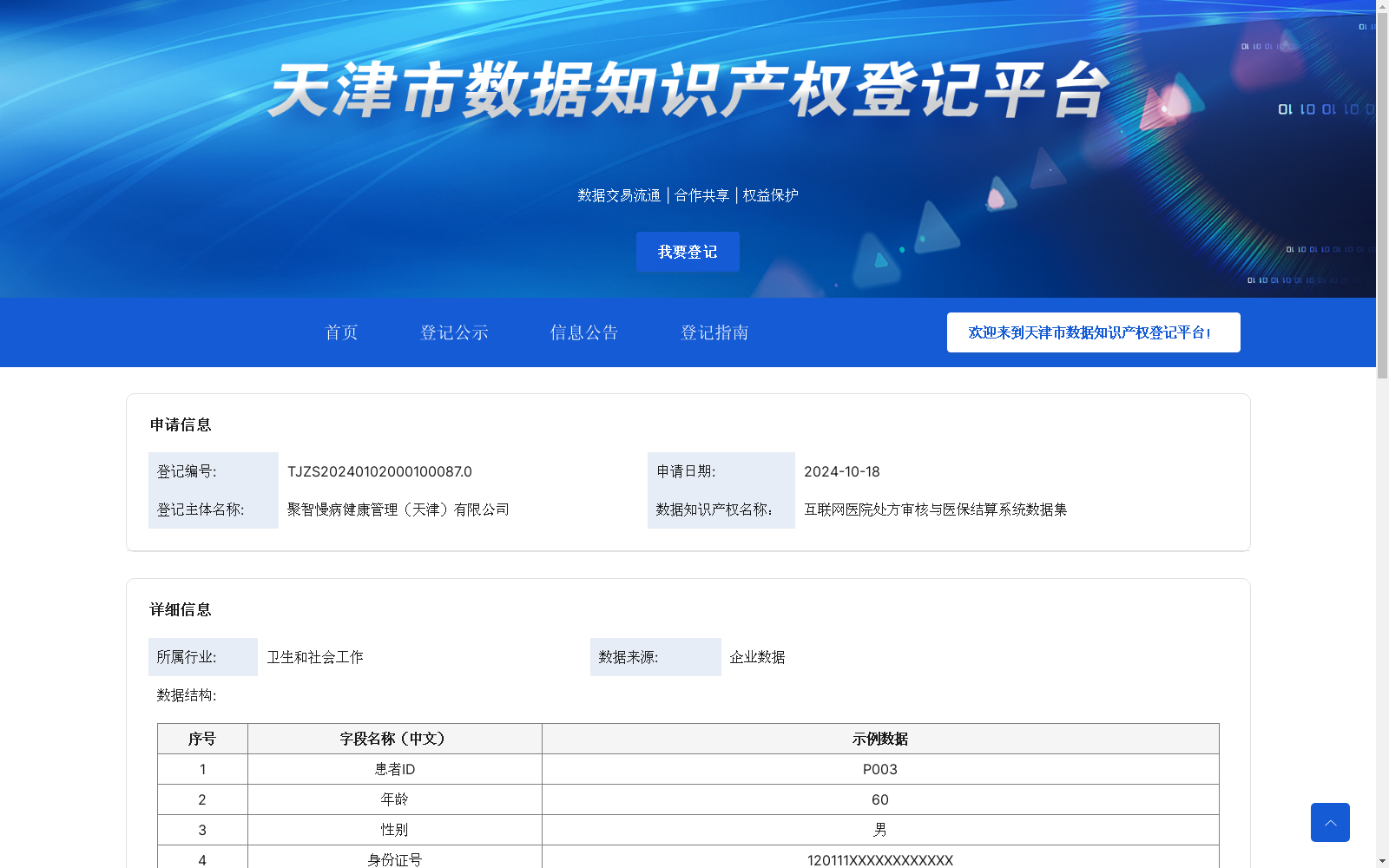
互联网医院处方审核与医保结算系统数据集
收藏天津市数据知识产权登记平台2024-10-22 更新2024-11-05 收录
下载链接:
https://dengji.tjippc.cn/xxgg_nr?id=700ea40e-1175-4097-83c5-0f0df1d45d49
下载链接
链接失效反馈官方服务:
资源简介:
互联网医院处方审核与医保结算系统中涉及的算法主要围绕以下几个关键环节:处方审核、药品匹配、医保规则应用和结算优化。以下是一些常见的算法:
1. 自然语言处理算法
文本处理与分析:用于解析医生的处方文本,包括药品名称、剂量、频次等信息。
语义分析:用于理解处方内容的语义,例如,识别不同疾病的治疗方案是否合理。
2. 规则引擎算法
医保规则匹配:根据国家或地区的医保政策,利用规则引擎算法对处方进行匹配,确保符合医保报销标准。
处方合规性检查:通过预设规则检查处方是否符合医保政策、药品适应症、限用药品等要求。
3. 药物相互作用与风险评估算法
药品相互作用检测:利用药品数据库和药物相互作用算法,检测处方中的药品是否有潜在的相互作用风险。
患者安全风险评估:结合患者的病历数据,评估处方是否存在潜在的安全隐患。
4. 优化与推荐算法
处方优化算法:基于患者的健康状况、病史和医生的处方,通过算法推荐更适合的药品或治疗方案,以提高疗效和降低费用。
5. 机器学习和深度学习算法
处方模式识别:使用机器学习模型分析历史处方数据,自动识别异常处方或优化处方模式。
预测模型:利用机器学习预测药品的需求和用量,帮助医院或药房进行库存管理。
6. 医保结算优化算法
费用结算算法:在医保结算中,通过优化算法快速计算患者的自付费用和医保报销部分,减少结算时间。
诊疗编码匹配:确保处方与医保报销规则中的诊疗编码相匹配,优化结算流程。
这些算法在互联网医院处方审核与医保结算系统中有助于提高审核效率、减少风险、优化费用结算,最终改善患者体验并降低医疗成本。
The algorithms involved in Internet hospital prescription review and medical insurance settlement systems mainly focus on the following key processes: prescription review, drug matching, medical insurance rule application, and settlement optimization. The following are common algorithms:
1. Natural Language Processing (NLP) Algorithms
Text processing and analysis: Used to parse doctors' prescription texts, including information such as drug names, dosages, and administration frequencies.
Semantic analysis: Used to understand the semantics of prescription content, for example, identifying whether treatment plans for different diseases are reasonable.
2. Rule Engine Algorithms
Medical insurance rule matching: According to the medical insurance policies of countries or regions, rule engine algorithms are used to match prescriptions to ensure compliance with medical insurance reimbursement standards.
Prescription compliance check: Check whether prescriptions meet requirements such as medical insurance policies, drug indications, and restricted drugs through preset rules.
3. Drug Interaction and Risk Assessment Algorithms
Drug interaction detection: Use drug databases and drug interaction algorithms to detect potential interaction risks of drugs in prescriptions.
Patient safety risk assessment: Combine the patient's medical record data to assess whether there are potential safety hazards in the prescription.
4. Optimization and Recommendation Algorithms
Prescription optimization algorithm: Based on the patient's health status, medical history, and the doctor's prescription, recommend more suitable drugs or treatment plans through algorithms to improve efficacy and reduce costs.
5. Machine Learning and Deep Learning Algorithms
Prescription pattern recognition: Use machine learning models to analyze historical prescription data and automatically identify abnormal prescriptions or optimize prescription patterns.
Prediction model: Use machine learning to predict the demand and usage of drugs, helping hospitals or pharmacies manage inventory.
6. Medical Insurance Settlement Optimization Algorithms
Expense settlement algorithm: In medical insurance settlement, optimized algorithms are used to quickly calculate the patient's out-of-pocket expenses and medical insurance reimbursement amounts, reducing settlement time.
Diagnosis and treatment code matching: Ensure that prescriptions match the diagnosis and treatment codes in medical insurance reimbursement rules, optimizing the settlement process.
These algorithms in Internet hospital prescription review and medical insurance settlement systems help improve review efficiency, reduce risks, optimize expense settlement, and ultimately improve patient experience and reduce medical costs.
提供机构:
聚智慢病健康管理(天津)有限公司
创建时间:
2024-10-18
搜集汇总
数据集介绍
特点
该数据集聚焦于互联网医院处方审核与医保结算系统,包含患者基本信息、问诊诉求、电子处方等字段,适用于互联网就医患者的就诊及结算。通过多种算法优化处方审核和医保结算流程,旨在提高医疗资源分配的合理性、购药模式的便捷性以及就诊效率。
以上内容由遇见数据集搜集并总结生成


