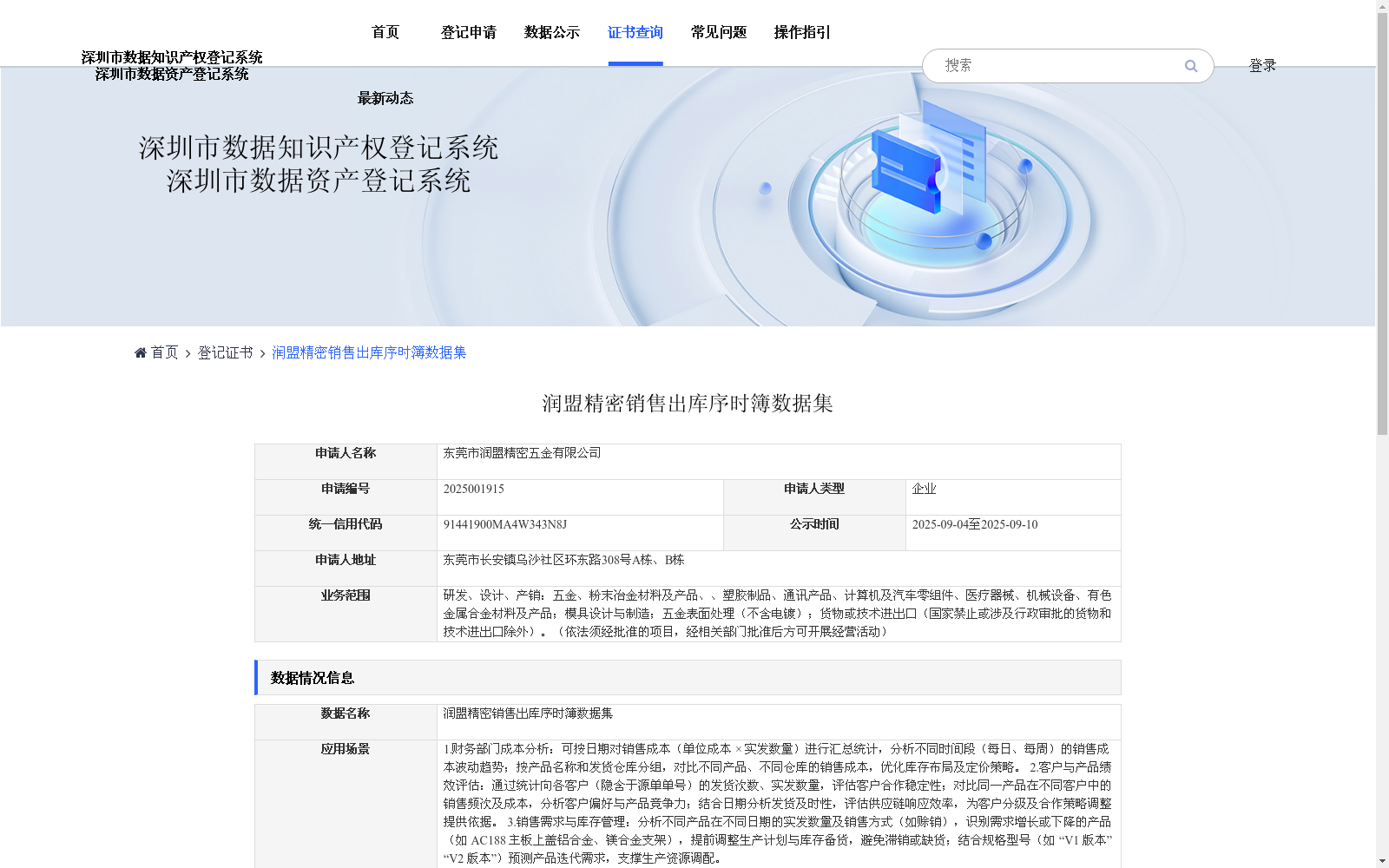
润盟精密销售出库序时簿数据集
收藏资源简介:
1.财务部门成本分析:可按日期对销售成本(单位成本 × 实发数量)进行汇总统计,分析不同时间段(每日、每周)的销售成本波动趋势;按产品名称和发货仓库分组,对比不同产品、不同仓库的销售成本,优化库存布局及定价策略。 2.客户与产品绩效评估:通过统计向各客户(隐含于源单单号)的发货次数、实发数量,评估客户合作稳定性;对比同一产品在不同客户中的销售频次及成本,分析客户偏好与产品竞争力;结合日期分析发货及时性,评估供应链响应效率,为客户分级及合作策略调整提供依据。 3.销售需求与库存管理:分析不同产品在不同日期的实发数量及销售方式(如赊销),识别需求增长或下降的产品(如 AC188 主板上盖铝合金、镁合金支架),提前调整生产计划与库存备货,避免滞销或缺货;结合规格型号(如 “V1 版本”“V2 版本”)预测产品迭代需求,支撑生产资源调配。
1. Financial Department Cost Analysis: The sales cost, calculated as unit cost multiplied by actual shipped quantity, can be aggregated and counted by date to analyze the fluctuation trend of sales costs across daily and weekly time periods. When grouped by product name and shipping warehouse, it can compare the sales costs of different products and warehouses to optimize inventory layout and pricing strategies. 2. Customer and Product Performance Evaluation: By counting the shipping frequency and actual shipped quantity for each customer (implied in the source order number), the stability of customer cooperation can be evaluated. By comparing the sales frequency and cost of the same product across different customers, customer preferences and product competitiveness can be analyzed; combining date data to analyze shipping timeliness, supply chain response efficiency can be evaluated, providing a basis for customer segmentation and adjustment of cooperation strategies. 3. Sales Demand and Inventory Management: Analyze the actual shipped quantity and sales methods (such as credit sales) of different products on different dates to identify products with rising or falling demand (e.g., AC188 motherboard top cover aluminum alloy, magnesium alloy bracket), adjust production plans and inventory replenishment in advance to avoid unsold goods or stockouts, and predict product iteration needs by combining specification models (e.g., "V1 Version", "V2 Version") to support the deployment of production resources.