实验分析仪器历史型号与迭代演变数据集
收藏资源简介:
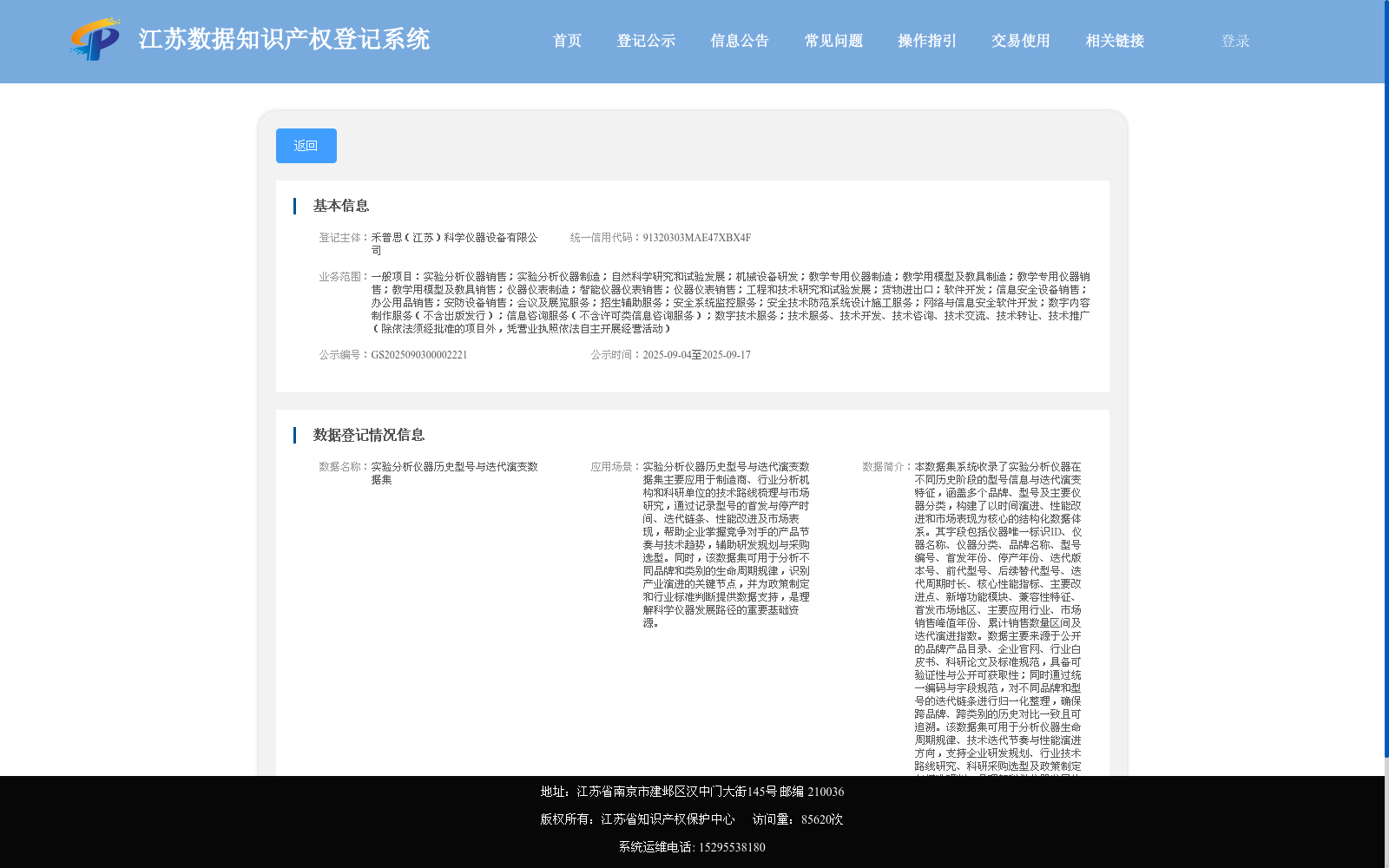
本数据集系统收录了实验分析仪器在不同历史阶段的型号信息与迭代演变特征,涵盖多个品牌、型号及主要仪器分类,构建了以时间演进、性能改进和市场表现为核心的结构化数据体系。其字段包括仪器唯一标识ID、仪器名称、仪器分类、品牌名称、型号编号、首发年份、停产年份、迭代版本号、前代型号、后续替代型号、迭代周期时长、核心性能指标、主要改进点、新增功能模块、兼容性特征、首发市场地区、主要应用行业、市场销售峰值年份、累计销售数量区间及迭代演进指数。数据主要来源于公开的品牌产品目录、企业官网、行业白皮书、科研论文及标准规范,具备可验证性与公开可获取性;同时通过统一编码与字段规范,对不同品牌和型号的迭代链条进行归一化整理,确保跨品牌、跨类别的历史对比一致且可追溯。该数据集可用于分析仪器生命周期规律、技术迭代节奏与性能演进方向,支持企业研发规划、行业技术路线研究、科研采购选型及政策制定与标准研判,是理解科学仪器发展轨迹的重要基础资源。
This dataset system collects model information and iterative evolution characteristics of laboratory analytical instruments across different historical stages, covering multiple brands, models and major instrument categories, and establishing a structured data system centered on temporal evolution, performance improvement and market performance. Its fields include: unique instrument ID, instrument name, instrument category, brand name, model number, release year, discontinuation year, iterative version number, previous generation model, subsequent replacement model, iteration cycle duration, core performance indicators, key improvement points, newly added function modules, compatibility characteristics, initial launch market regions, major application industries, peak sales year, cumulative sales volume range, and iterative evolution index. The data is mainly sourced from public brand product catalogs, corporate official websites, industry white papers, scientific research papers and standard specifications, with verifiability and public accessibility. Meanwhile, through unified coding and field specifications, the iteration chains of different brands and models are normalized and organized to ensure consistent and traceable historical comparisons across brands and categories. This dataset can be used to analyze the life cycle rules of analytical instruments, technological iteration rhythm and performance evolution direction, supporting enterprise R&D planning, industry technology roadmap research, scientific research procurement and selection, policy formulation and standard evaluation. It is an important basic resource for understanding the development trajectory of scientific instruments.